
otect collective comfort and safety while also responding humanely to individual suffering.
Public discomfort is not inherently unreasonable. Witnessing a loss of control, especially in a setting involving families and confined spaces, can be unsettling and even traumatic. Research shows that exposure to unpredictable behavior can heighten anxiety long after the event has ended, particularly for those already prone to stress or fear in similar environments.
However, psychologists caution against equating discomfort with wrongdoing. The absence of criminal charges does not imply that the incident was ignored or minimized. Instead, it suggests that authorities evaluated the situation through a medical and psychological lens rather than a purely legal one.
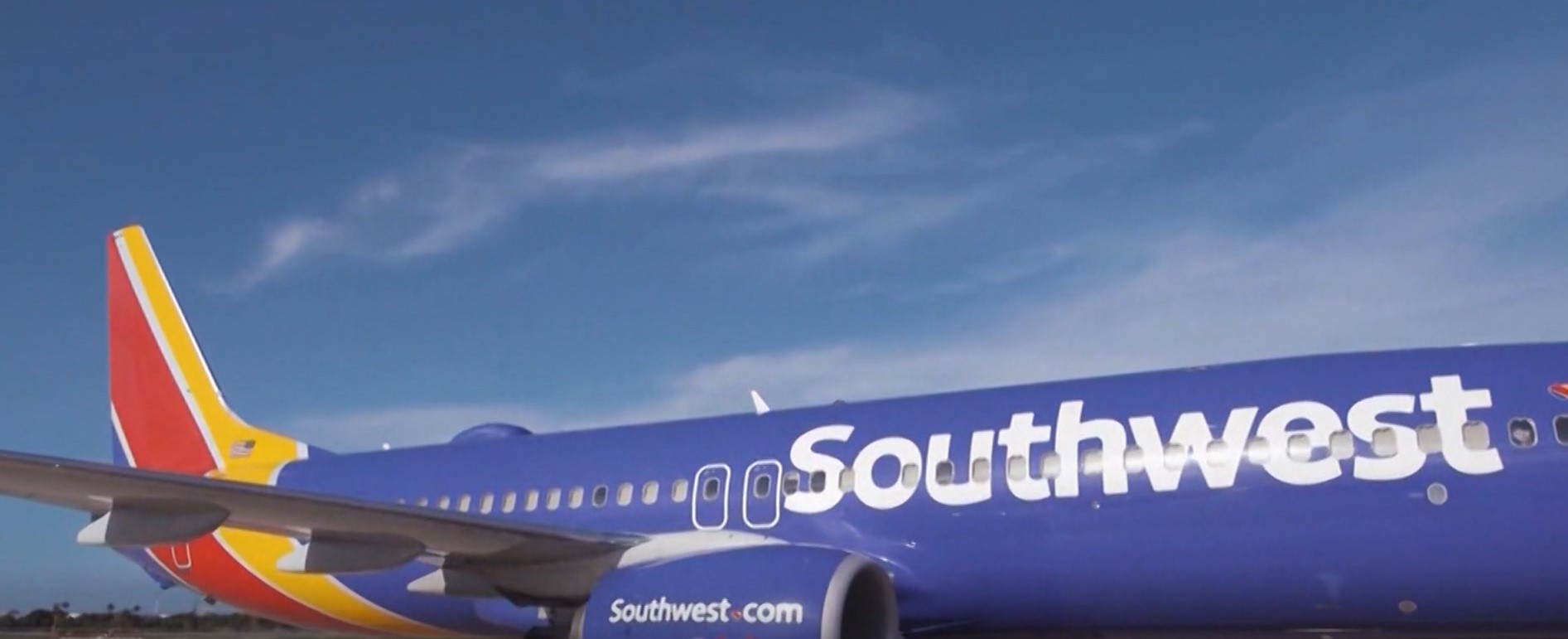
Airlines and flight crews operate at the intersection of these competing concerns. Their primary responsibility is to ensure safety, but safety includes both physical and psychological dimensions. Returning the plane to the gate, involving law enforcement, and removing the individual without further escalation followed established best practices for managing onboard crises.
In recent years, airlines have reported an increase in disruptive incidents, though experts warn that this trend is often oversimplified. Many cases involve alcohol, stress, or mental health challenges rather than deliberate aggression. As air travel volumes rise and social stressors remain high, these factors are likely to continue intersecting.
The broader implication is that public spaces are increasingly becoming arenas where unresolved mental health issues play out visibly. Transportation hubs, airplanes, and other shared environments are not designed to absorb or manage emotional crises, yet they often become the stage on which they occur.
This reality places pressure not only on institutions but also on public attitudes. How society interprets and reacts to such incidents shapes policy, training, and ultimately the experiences of those involved. A response rooted solely in punishment may satisfy immediate calls for order, but it risks overlooking opportunities for care and prevention.

Conversely, a response focused entirely on compassion without acknowledging the impact on others can leave bystanders feeling unheard or unsafe. The challenge lies in finding a balanced approach that recognizes mental health as a legitimate concern while maintaining clear boundaries around acceptable behavior in shared spaces.
The Southwest flight incident serves as a reminder that mental health is not an abstract issue confined to clinics or private lives. It intersects with everyday systems, from transportation to public safety, and forces society to confront uncomfortable questions about responsibility, empathy, and collective well-being.
As air travel continues to recover and social pressures remain intense, similar situations are likely to arise. The way they are framed and discussed matters. Moving beyond sensational headlines toward thoughtful analysis allows for a more productive conversation about how communities can respond to psychological crises with both firmness and humanity.
In the end, the incident was resolved without physical harm, legal escalation, or further disruption. But its significance lies not in the delay it caused, but in what it reveals about the fragile balance between individual vulnerability and public order in modern life.